- 24-Hour Emergency Support
- 0800 952 0081
- info@millenniumrac.co.uk
- North Shields, North East

Most commercial breakdowns are not sudden. A condenser coil clogs gradually. A door seal perishes over a season. A fan bearing gets noisier for weeks before it seizes. Planned maintenance exists to catch those things while they are still a cheap component and a booked visit, rather than a closed kitchen, spoiled stock and an emergency call-out.
Millennium services refrigeration, air conditioning and commercial catering equipment for businesses across the North East. Visits are scheduled around how your site actually runs, so a kitchen is not being worked on mid-service and a shop floor is not disrupted at its busiest. We maintain equipment we installed and equipment we did not, including systems inherited from a previous contractor.
Performance and temperature checks — confirming equipment is holding the conditions it is supposed to hold, not simply that it is running.
Cleaning — condensers, filters and coils, where most avoidable efficiency loss comes from.
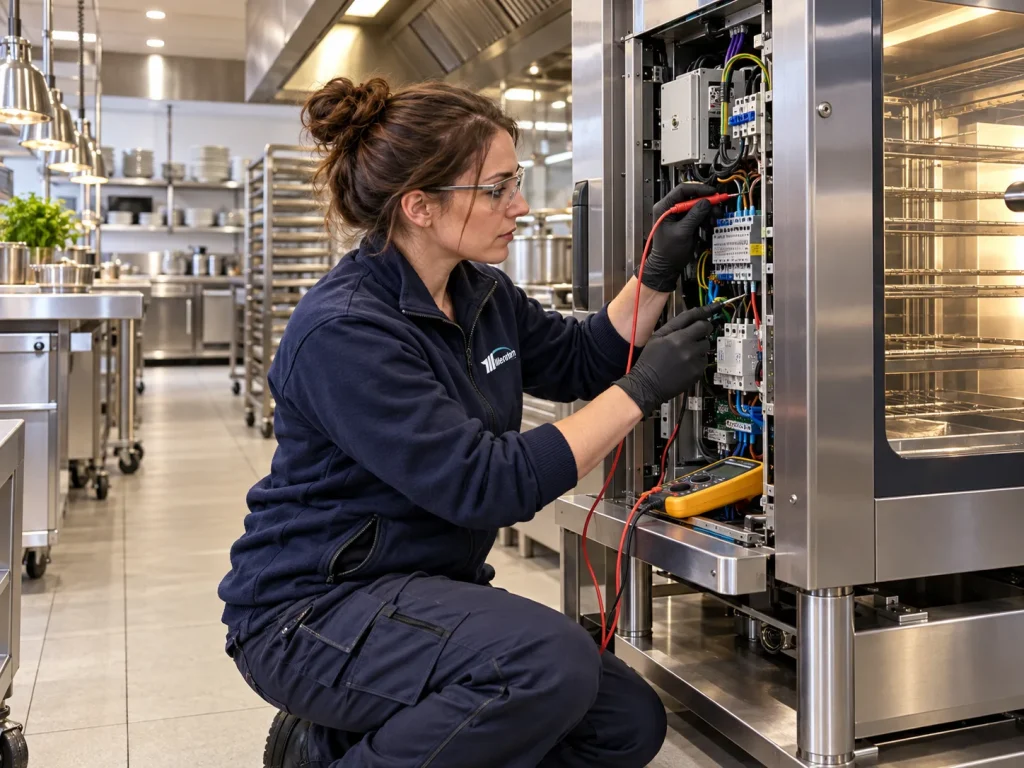
Electrical and control checks — connections, contactors, thermostats and controls.
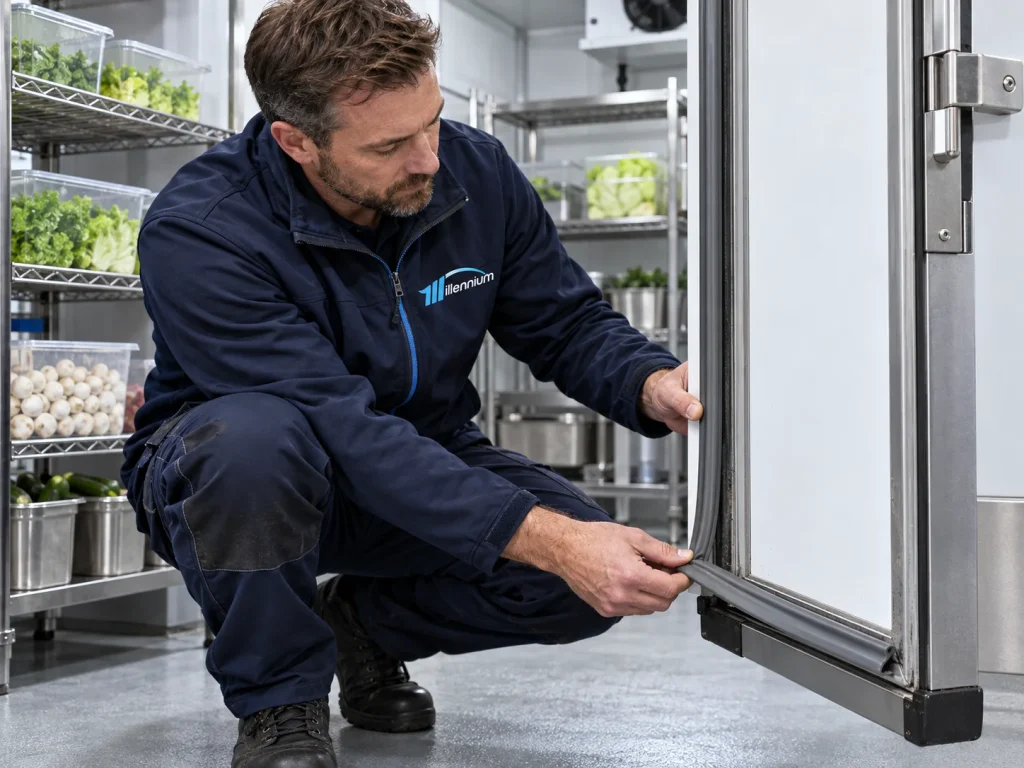
Moving parts — fans, motors, belts, hinges and door seals.
Drainage and defrost — clearing condensate drains and confirming defrost cycles behave as intended.
A written record of what was checked, what was adjusted, and anything that will need attention before the next visit.
The exact scope depends on the equipment and the site, so it is set out in writing before a contract starts rather than left to assumption.
1. Survey. We come and look at what you actually have. Equipment lists supplied from memory are almost always incomplete, and the things missing from them are usually the things nobody thinks about until they fail.
2. Proposal. You get a written schedule setting out which equipment is covered, what each visit includes, how often visits happen, and how that frequency was arrived at.
3. Agreement. Scope and price in writing before anything starts. If something is not included, it says so — that is more useful to you than a document that implies everything is covered and argues about it later.
4. Visits and records. Work is scheduled around your trading, and every visit produces a record of what was checked, what was adjusted or replaced, and what will need attention before the next one.
Running one site is a maintenance problem. Running twenty is a coordination problem: knowing what equipment is where, what condition each item is in, which sites are due, and who to speak to at each one.
We work with multi-site operators under a single agreement, with visits planned across the estate rather than negotiated site by site. Several of our longest-standing customers are exactly this — shops and kitchens spread across the region, covered by one arrangement.
The practical benefit is not just administrative. Seeing the same equipment across many sites tells you which models fail early, which installations are struggling, and where spending would actually reduce breakdowns — information you cannot get from one site in isolation.
There is no single correct interval, and it is worth being a little wary of anyone who offers one before seeing the site. A cold room in a busy kitchen, with constant door traffic and a greasy atmosphere, fouls far faster than a display cabinet in a quiet shop. The same nominal equipment in two locations can genuinely need different attention.
What we look at is the equipment itself, how hard it works, the environment it works in, and what a failure would actually cost you — because that last one is what decides how much prevention is worth buying. We have written up what a planned refrigeration maintenance visit should cover, including the questions worth asking any contractor before you sign.



Tell us what equipment you run, how many sites you have and how the business uses them. We will come back with a proposed visit schedule and a written quotation. Multi-site operators are welcome — several of our longest-standing customers run estates of shops and kitchens under one agreement.